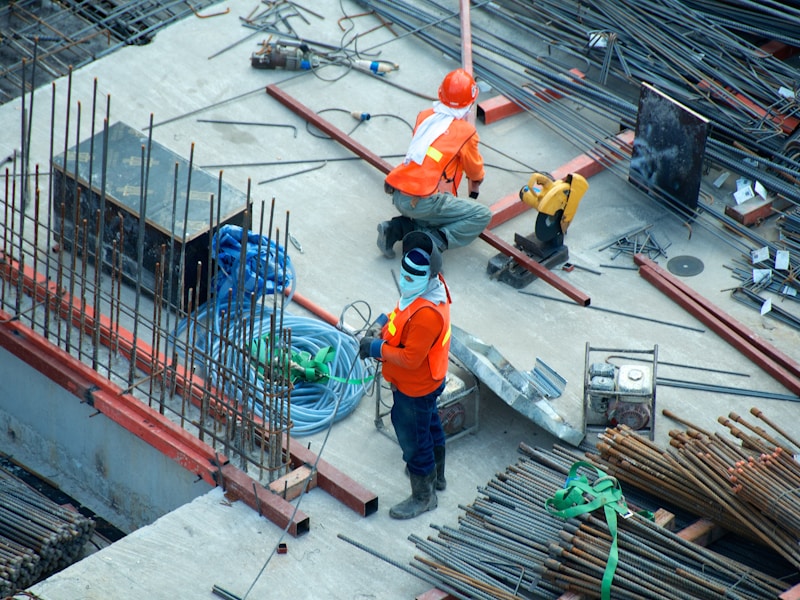
Construction and renovation projects in Portland create substantial amounts of debris that require professional handling. Whether you're a contractor managing a commercial build-out, a homeowner completing a kitchen renovation, or a developer overseeing a major demolition, proper debris removal is essential for maintaining safe, efficient work sites and meeting Oregon's environmental regulations.
Understanding Construction Debris in Portland
Construction debris encompasses a wide range of materials generated during building, renovation, and demolition activities. In Portland's diverse construction landscape, from historic home renovations in neighborhoods like Hawthorne and Alberta to new commercial developments in the Pearl District, debris types vary significantly based on project scope and building materials used.
Common construction debris includes drywall, lumber, concrete, asphalt, roofing materials, metal fixtures, flooring remnants, insulation, and electrical components. Portland's older housing stock often generates additional materials like plaster, lath, and vintage fixtures that require specialized handling. Understanding these material types is crucial for proper disposal and recycling, as Oregon maintains strict environmental standards for construction waste management.
The volume of debris generated can be overwhelming. A typical kitchen renovation might produce 2-4 tons of waste, while a full home demolition can generate 50-100 tons of materials. Professional debris removal services ensure these materials are handled safely, sorted appropriately, and disposed of in compliance with local regulations.
Safety Considerations for Construction Debris
Construction debris poses significant safety risks that extend beyond simple cleanup challenges. Sharp materials like broken glass, exposed nails, and metal fragments create immediate injury hazards for workers and site visitors. Heavy materials such as concrete blocks, steel beams, and large appliances require proper lifting techniques and equipment to prevent back injuries and crushing accidents.
Hazardous materials commonly found in construction debris demand specialized handling protocols. Asbestos-containing materials, prevalent in Portland buildings constructed before 1980, require certified abatement procedures. Lead paint, common in homes built before 1978, must be handled according to EPA RRP (Renovation, Repair, and Painting) rules. Chemical residues from adhesives, solvents, and treatments can pose respiratory and skin contact risks.
Professional debris removal teams are trained in hazardous material identification and proper handling procedures. They utilize appropriate personal protective equipment, follow OSHA safety standards, and maintain certifications for handling regulated materials. This expertise protects both workers and property owners from liability and health risks associated with improper debris management.
Environmental Impact and Recycling in Oregon
Oregon's commitment to environmental stewardship extends to construction waste management through comprehensive recycling and diversion programs. The state's goal of achieving a 50% waste recovery rate by 2025 includes significant focus on construction and demolition debris, which comprises approximately 25% of the total waste stream in the Portland metro area.
Many construction materials can be recycled or repurposed rather than sent to landfills. Concrete and asphalt are crushed and used as aggregate for new construction projects. Metal components, including copper wiring, steel fixtures, and aluminum siding, are valuable recyclable commodities. Wood materials, when free from contamination, can be processed into mulch, biomass fuel, or reclaimed lumber for new construction projects.
Portland's construction industry increasingly embraces deconstruction practices that prioritize material recovery over traditional demolition. This approach involves carefully dismantling structures to preserve reusable materials like hardwood flooring, vintage fixtures, and architectural elements. Professional debris removal services support these efforts by partnering with local salvage operations and recycling facilities.
Proper sorting and processing of construction debris reduces environmental impact while often providing cost savings through reduced disposal fees. Materials diverted from landfills contribute to Portland's sustainability goals and support the circular economy by providing raw materials for new construction projects.
Regulatory Compliance and Permits
Construction debris removal in Portland operates within a complex regulatory framework designed to protect public health and environmental quality. The Oregon Department of Environmental Quality (DEQ) establishes statewide standards for waste management, while local jurisdictions implement additional requirements specific to their communities.
Contractors and property owners must obtain appropriate permits for debris disposal, particularly for large-scale projects or those involving hazardous materials. Portland requires demolition permits for structures over certain sizes, and these permits often include specific requirements for debris management and recycling. Failure to comply with these regulations can result in significant fines and project delays.
Professional debris removal services maintain current knowledge of regulatory requirements and ensure compliance throughout the cleanup process. They possess necessary licenses and certifications, maintain proper insurance coverage, and document disposal activities to meet regulatory reporting requirements. This expertise protects property owners from potential violations and associated penalties.
Transportation of construction debris also requires compliance with Department of Transportation regulations regarding vehicle weight limits, load securing, and route restrictions. Professional services utilize properly licensed vehicles and trained drivers to ensure safe, legal transportation of debris materials.
Cost Factors and Project Planning
Construction debris removal costs vary significantly based on multiple factors that project managers and property owners should consider during planning phases. Material type and volume represent primary cost drivers, as hazardous materials require specialized handling and disposal at certified facilities, while recyclable materials may offset costs through commodity value.
Geographic factors within the Portland metro area influence pricing due to varying disposal facility locations and transportation distances. Projects in downtown Portland may face higher costs due to limited access and parking restrictions, while suburban locations might benefit from proximity to recycling facilities and lower transportation costs.
Timing considerations affect both cost and availability of debris removal services. Peak construction seasons in Portland, typically spring through early fall, see increased demand for removal services and potentially higher pricing. Planning debris removal during off-peak periods can provide cost savings and ensure service availability when needed.
Professional debris removal services provide detailed estimates that account for all relevant factors, helping project managers budget accurately and avoid unexpected costs. These estimates typically include labor, transportation, disposal fees, and any required permits or certifications, providing transparency in pricing and project planning.
Choosing Professional Debris Removal Services
Selecting the right construction debris removal service requires careful evaluation of several key factors that impact both project success and regulatory compliance. Licensed and insured companies provide essential protection against liability and ensure professional standards in debris handling and disposal.
Experience with similar project types demonstrates a service provider's capability to handle specific debris challenges. Companies familiar with Portland's construction landscape understand local regulations, disposal facility requirements, and efficient routing for debris transportation. This local expertise translates to smoother project execution and fewer complications.
Equipment and capacity considerations ensure that debris removal services can handle project requirements efficiently. Large-scale demolitions require different equipment and logistics than residential renovations, and service providers should demonstrate appropriate resources for the project scope.
Environmental commitment and recycling capabilities align with Portland's sustainability values and may provide cost benefits through reduced disposal fees. Services that prioritize material recovery and work with local recycling facilities contribute to environmental goals while potentially offering competitive pricing.
Communication and scheduling flexibility ensure that debris removal integrates smoothly with overall project timelines. Reliable services provide clear communication about scheduling, any delays, and completion of removal activities, allowing project managers to coordinate other activities effectively.
Oregon City Junk Removal's Construction Debris Services
Oregon City Junk Removal brings extensive experience in construction debris removal throughout the Portland metro area, serving contractors, developers, and property owners with comprehensive cleanup solutions. Our team understands the unique challenges of construction waste management in Oregon's regulatory environment and provides services that ensure compliance while maximizing efficiency.
Our construction debris services encompass all project phases, from initial demolition cleanup to final site preparation. We handle diverse material types including concrete, lumber, drywall, roofing materials, and metal components, utilizing appropriate equipment and techniques for safe, efficient removal. Our team is trained in hazardous material identification and follows proper protocols for regulated substances.
We prioritize environmental responsibility through comprehensive recycling and material recovery programs. Our partnerships with local recycling facilities and salvage operations ensure maximum diversion from landfills while providing cost-effective disposal solutions. We provide detailed documentation of recycling activities to support project sustainability goals and regulatory compliance.
Scheduling flexibility and reliable service delivery support project timelines and minimize disruptions to construction activities. We work closely with project managers to coordinate removal activities with construction schedules, ensuring debris doesn't accumulate to unsafe levels or impede work progress.
Ready for Professional Construction Debris Removal?
Don't let construction debris slow down your project or create safety hazards. Our experienced team provides efficient, compliant debris removal services throughout Portland and surrounding areas.
Get Your Free Estimate TodayConclusion
Professional construction debris removal is essential for successful construction and renovation projects in Portland. From ensuring worker safety and regulatory compliance to supporting environmental sustainability goals, proper debris management impacts every aspect of construction activities.
The complexity of modern construction waste, combined with Oregon's comprehensive environmental regulations, requires expertise that goes beyond simple hauling services. Professional debris removal companies provide the knowledge, equipment, and certifications necessary to handle construction waste safely and legally while maximizing recycling opportunities.
Investing in professional construction debris removal services protects project stakeholders from liability, ensures regulatory compliance, and contributes to Portland's environmental sustainability goals. Whether managing a small residential renovation or a large commercial development, proper debris removal is an essential component of successful project completion.